
Blog
[NEEDS REVIEW] Best Fabric Weight for Winter Sweatshirts in 2026
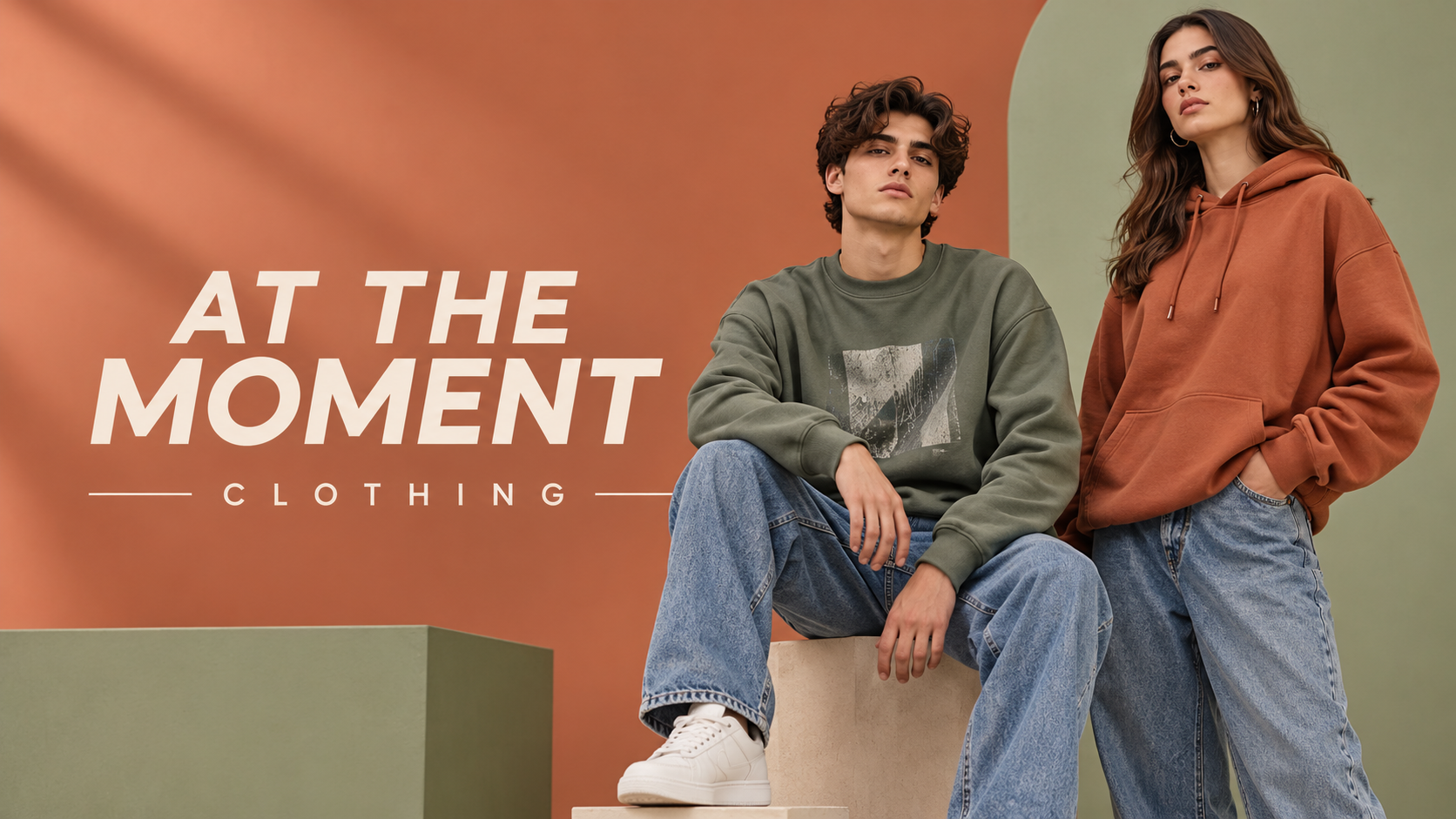
The best fabric weight for winter sweatshirts sits between 280 and 400 GSM (grams per square meter), with heavier weights giving more warmth and structure for layering under a jacket. At At The Moment, we build our graphic sweatshirts in this range so the print stays crisp and the fabric actually holds up to cold-weather wear. Picking the right fabric weight changes how a sweatshirt feels, fits, and lasts through the season.
Key takeaways
- The best fabric weight for winter sweatshirts is 300 to 400 GSM, balancing warmth, drape, and durability.
- Heavier fabric weight holds graphic prints better over time, preventing cracking at seams and shoulders.
- Match fabric weight to your layering plan: lighter for under-jacket wear, heavier for standalone cold-weather days.
- You can judge fabric weight by feel, opacity, and fleece density even without a GSM label.
- Proper washing care helps preserve fleece loft and warmth across a full winter season.
Why Fabric Weight Matters More Than You Think
GSM tells you how dense a fabric is, not just how thick it looks on a hanger. A low fabric weight sweatshirt (under 240 GSM) is fine for mild fall days, but it won’t hold heat once temperatures drop. A heavier fabric weight traps more air between fibers, which is what actually keeps you warm, not just the thickness of the cotton.
This matters even more for graphic pieces. A thin, flimsy fabric stretches out the print over time, cracking the design at the seams and shoulders. Heavier cotton fleece holds its shape and keeps artwork like our Avocado Crewneck or Pesto Pizza Crewneck looking sharp through dozens of washes. If you want to understand how fabric reacts over time, our guide on how to tell if a sweatshirt fabric will shrink is a good companion read.
The Sweet Spot: 300 to 400 GSM
For real winter wear, aim for the 300 to 400 GSM range. This is the fabric weight that balances warmth, drape, and durability without turning your sweatshirt into a stiff board. Fleece-backed cotton blends in this zone trap body heat while still letting the garment move naturally when you layer a flannel or denim jacket over it.
| Fabric Weight (GSM) | Best Use | Feel |
|---|---|---|
| 180-240 | Spring/early fall layering | Light, breathable |
| 280-350 | Everyday winter wear | Warm, substantial |
| 350-400+ | Deep cold, outdoor days | Heavy, insulating |
Our heavier pieces, like the Toast & Beans Sweatshirt and Pastrami Sandwich Sweatshirt, sit right in that sweet spot. They’re built to be worn solo on a chilly commute or layered under a shell when the temperature really drops.
Matching Fabric Weight to How You Layer
Your layering plan should decide your fabric weight as much as the weather does. If you’re stacking a sweatshirt under a heavier coat, a mid-weight 280 to 320 GSM piece avoids bulk at the shoulders. If the sweatshirt is your outer layer, go heavier, 350 GSM and up, so it can stand on its own in the cold.
For crewnecks you plan to wear under outerwear, check out our piece on layering a crewneck under a denim jacket, which covers fit and fabric weight together. And if hoodies are more your speed, browse the At The Moment hoodie collection for heavier-weight options built the same way, warm fleece interior with a durable outer face that holds graphic prints like the Persian Cat Crewneck or Sharpei Sweatshirt designs.
Reading Labels and Shopping Smart
Most brands don’t print GSM on the tag, so you have to judge fabric weight by feel and construction. Look for double-layered fleece, ribbed cuffs and hems that hold tension, and a fabric that doesn’t go sheer when you stretch it. These are the same signs we check when sourcing blanks for every graphic at At The Moment, from the Taj Mahal Sweatshirt to the Cherry Blossom Sweatshirt.
Washing habits also affect how a fabric weight performs over time. Hot water and high heat drying can flatten fleece loft fast, which is why we always recommend checking a proper care routine, like the tips in graphic hoodie care without fading the print, to keep that winter-ready warmth intact season after season.
Frequently Asked Questions
What GSM is best for a winter sweatshirt?
Most people find 300 to 400 GSM the best fabric weight for winter sweatshirts. It’s heavy enough to insulate without feeling stiff or bulky under a coat.
Is higher GSM always warmer?
Generally yes, but construction matters too. A well-brushed fleece interior at 300 GSM can feel warmer than a flat-knit fabric at 350 GSM because it traps more air against your skin.
Does fabric weight affect how long a graphic print lasts?
Yes. Heavier, more stable fabric holds screen prints and embroidery better because it stretches less during wear and washing, which keeps designs from cracking.
Can I wear a heavy sweatshirt without a jacket?
A sweatshirt in the 350 GSM-plus range can work as a standalone outer layer on cold but not freezing days, especially paired with a scarf or beanie.
How do I know the fabric weight if it’s not listed?
Hold the garment up to light. If it’s see-through or feels thin, it’s likely under 240 GSM. A dense, opaque fleece that doesn’t stretch out of shape is usually in the 300 GSM-plus range.
Related Posts
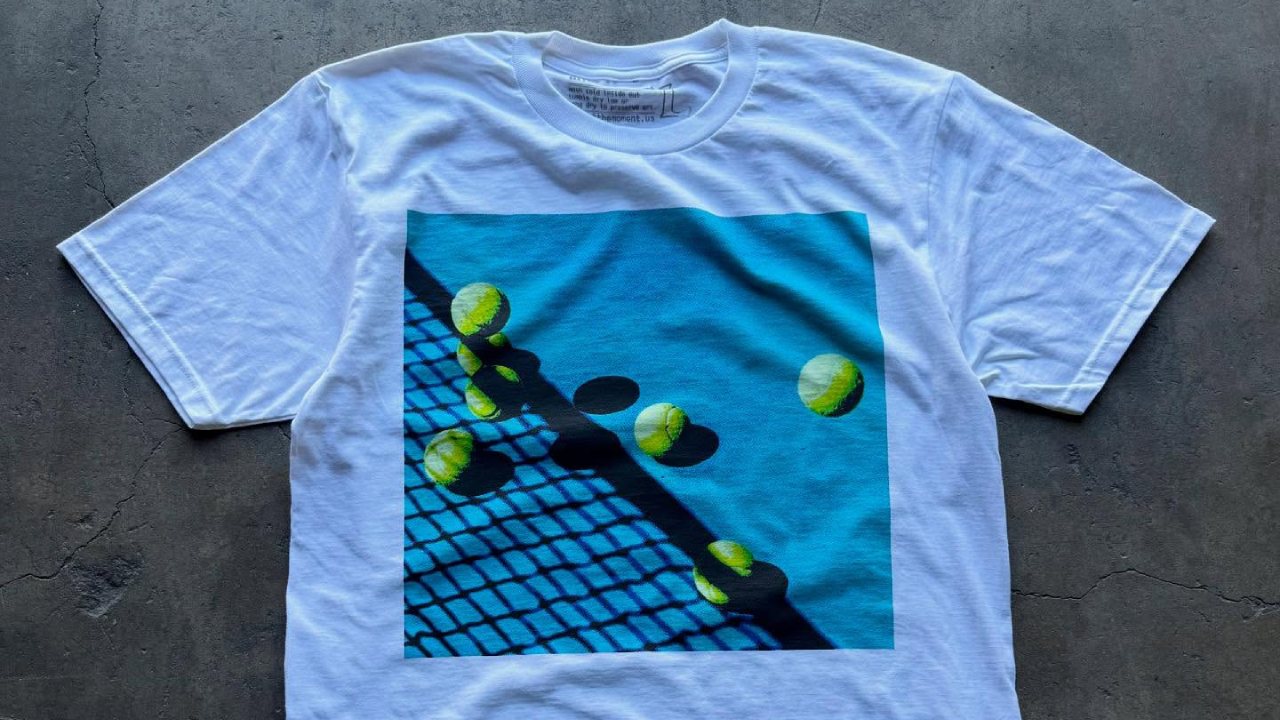
How to Tell If a Sweatshirt Fabric Will Shrink (2026 Guide)
Learn how to tell if a sweatshirt fabric will shrink before you buy or wash it, so your graphic crewnecks keep their fit and print intact.

Graphic Shirt vs Plain Shirt for Streetwear Looks in 2026
Graphic shirt or plain shirt? Here’s how each builds a different streetwear look, and when to reach for which one in 2026.
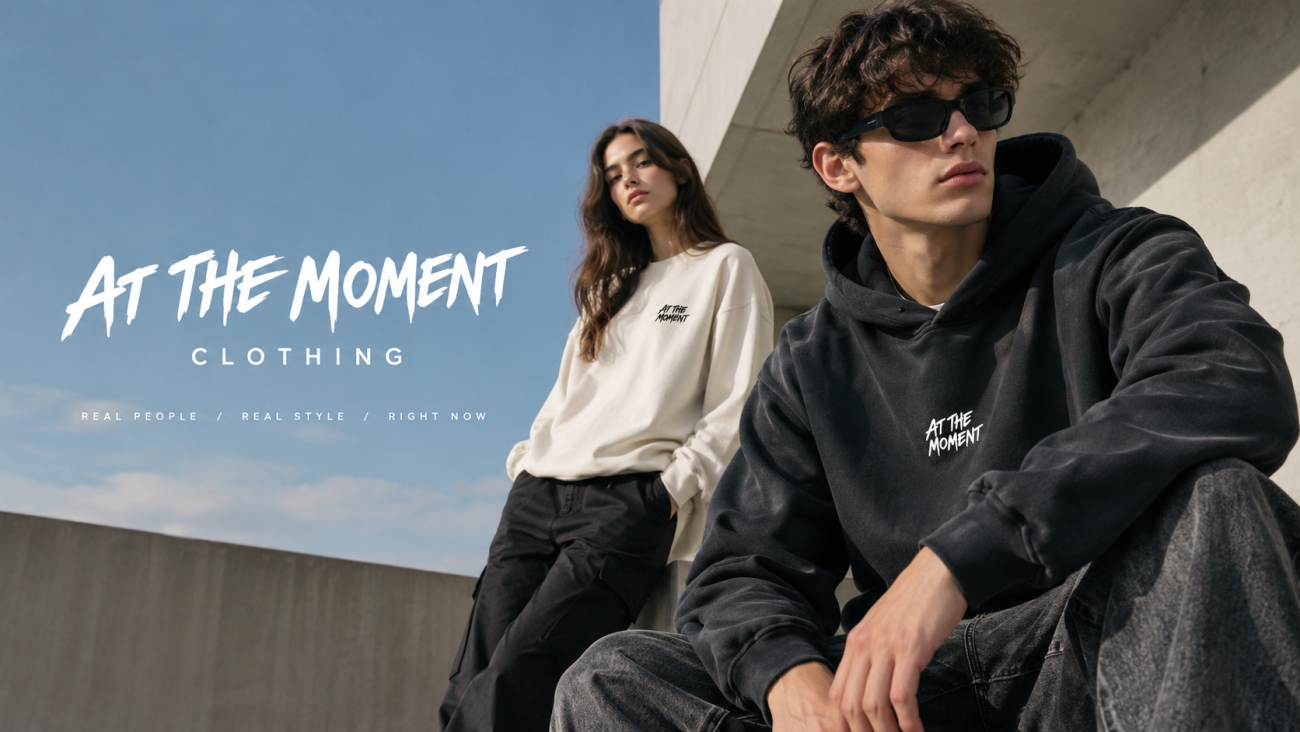
How to Layer a Crewneck Under a Denim Jacket in 2026
Learn how to layer a crewneck under a denim jacket for a bold, easy streetwear look that works all year round.
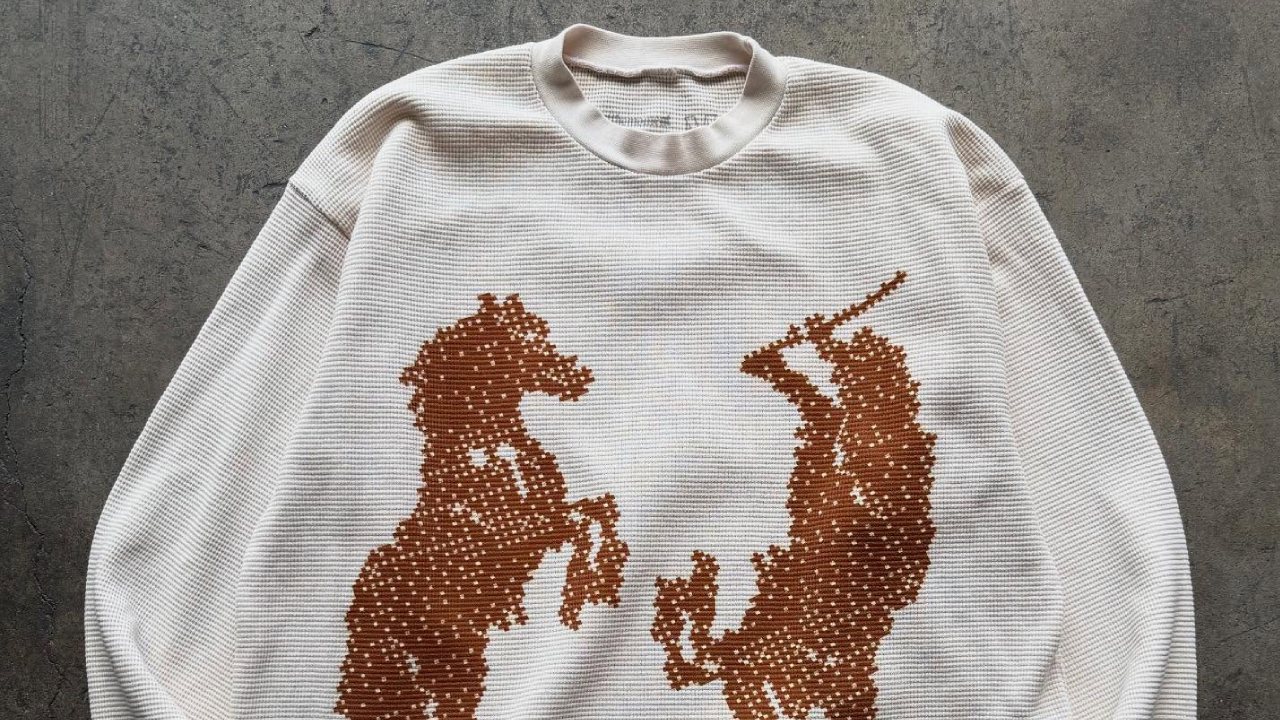
[NEEDS REVIEW] At The Moment Halloween Sale 2026: 20% Off Graphic Streetwear
The At The Moment Halloween sale is live now. Get 20% off graphic crewnecks, sweatshirts, hoodies and shirts with code HALLOWEEN20.
Hoodie Accessories 2026: The Best Pairings for Graphic Hoodies
Not sure what to pair with a bold graphic hoodie? Here are the hoodie accessories that actually work, from beanies to bags.

Graphic Hoodie Care in 2026: How to Wash Without Fading the Print
Graphic hoodie care done right keeps your bold prints sharp for years. Here’s the exact wash routine that protects ink, color, and fabric.
Sweatshirt Fashion Trends 2026: The Graphic Looks Taking Over
Sweatshirt trends 2026 are all about bold graphics, boxy fits, and quirky themes. Here’s what’s actually worth wearing this year.

At The Moment Halloween Sale 2026: 20% Off Graphic Streetwear
The At The Moment Halloween Sale 2026 is live now. Take 20% off graphic crewnecks, sweatshirts, hoodies and shirts with code HALLOWEEN20.

Fashion Trends 2026: The Graphic Streetwear Shifts Worth Knowing
Fashion trends 2026 are leaning into bold graphics, heavyweight fabric, and quirky prints. Here’s what’s actually new and how to wear it.

5 Ways to Wear the At The Moment Hoodie in 2026
Five practical, no-fuss ways to style the At The Moment hoodie for 2026, from layering tricks to dressing it up for a night out.
5 Ways to Wear the At The Moment Sweatshirt in 2026
Five practical ways to style the At The Moment sweatshirt this year, from layering to dressing up a graphic crewneck for going out.

5 Ways to Wear the At The Moment Graphic Shirt in 2026
Five practical ways to style a graphic shirt from At The Moment, from layering to tucking, for everyday streetwear looks in 2026.