
Blog
How to Tell If a Sweatshirt Fabric Will Shrink (2026 Guide)
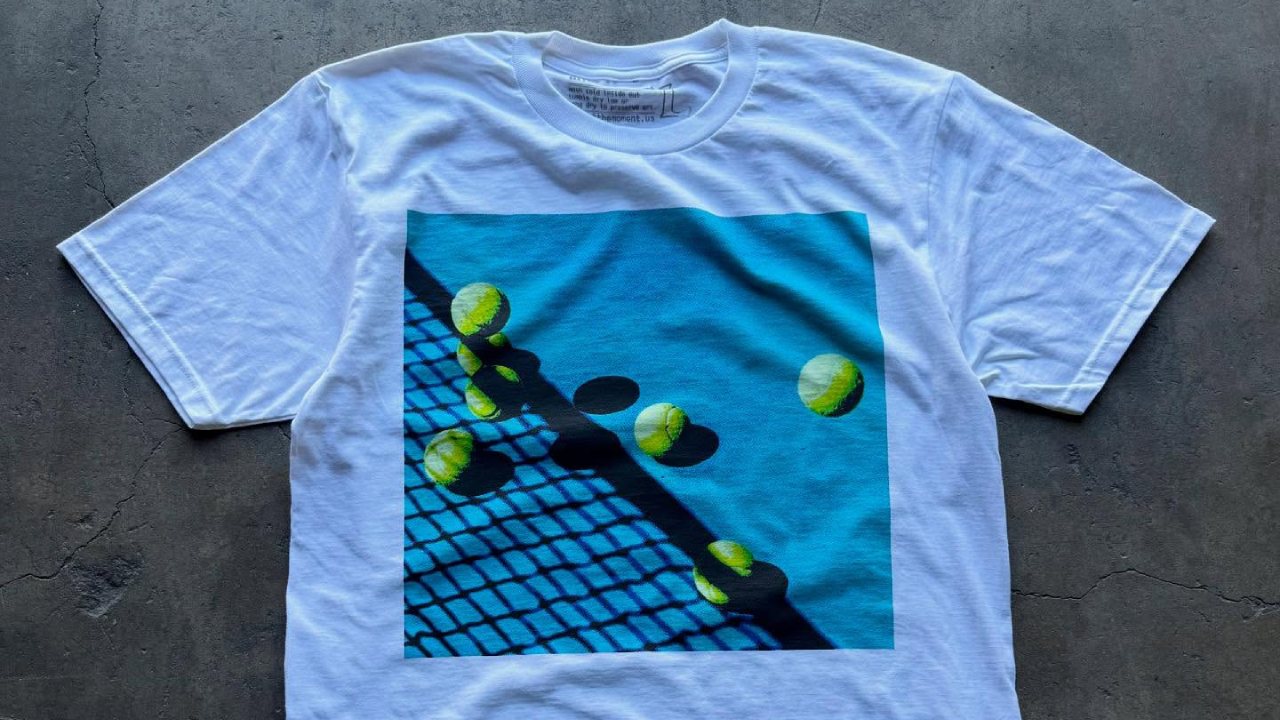
How to tell if a sweatshirt fabric will shrink comes down to three quick checks: read the fiber content tag, feel the weave tightness, and confirm whether the fabric is preshrunk. Cotton-heavy fleece shrinks more than cotton-poly blends, and that’s the first thing we check before putting a design into production. At At The Moment, we build every sweatshirt around fabric that holds its shape, because a shrunk graphic crewneck ruins the print just as fast as it ruins the fit.
Key takeaways
- Check the care tag first: preshrunk or sanforized cotton and cotton-poly blends shrink far less than untreated 100% cotton.
- A touch test on loose, airy knits can reveal shrink risk even without a readable tag.
- Cold water washing and low-heat or air drying are the biggest factors in preventing shrinkage after purchase.
- Heavier fleece shrinks less in length but can still shrink slightly in width if it’s not preshrunk.
- Knowing how to tell if a sweatshirt fabric will shrink lets you size up on riskier fabrics and avoid returns.
Shrinkage isn’t random. It follows predictable rules tied to fiber type, knit structure, and heat exposure. Once you know how to tell if a sweatshirt fabric will shrink, you can read a care tag like a label expert and avoid the dryer disasters that turn a roomy sweatshirt into a crop top. You can browse the full lineup at At The Moment to see how these fabric choices show up in real graphic pieces.
Why Sweatshirt Fabric Shrink Happens in the First Place
Cotton fibers are twisted into yarn under tension during manufacturing. Hot water and tumble drying relax that tension, letting fibers spring back toward their natural, shorter state. That’s the biology behind sweatshirt fabric shrink, and it’s why a brand-new, un-preshrunk cotton sweatshirt can lose an inch or more after its first hot wash.
Synthetic fibers like polyester behave differently. They’re heat-set during production, so they resist shrinking unless you expose them to extreme heat, like a too-hot dryer cycle or direct ironing on the print. That’s part of why At The Moment leans on cotton-poly blends for pieces like the Pastrami Sandwich Sweatshirt and the Taj Mahal Sweatshirt: the blend keeps sweatshirt fabric shrink to a minimum while still feeling soft against the skin.
How to Tell If a Sweatshirt Fabric Will Shrink by Reading the Tag
The care label tells you most of what you need to know, and it’s the fastest way to figure out how to tell if a sweatshirt fabric will shrink before you ever wash it. Look for these clues:
- 100% cotton, not preshrunk: highest shrink risk, often 5-8% in the first wash.
- Preshrunk or sanforized cotton: shrinkage already happened at the factory, so future washes cause minimal change.
- Cotton-polyester blend (50/50 or 80/20): moderate resistance, usually under 3% shrink.
- French terry or fleece-back knits: looser weave, so check the blend ratio twice since fleece backing can hide shrink potential.
| Fabric Type | Shrink Risk | Typical % Shrinkage |
|---|---|---|
| 100% cotton, not preshrunk | High | 5-8% |
| Preshrunk cotton | Low | 1-2% |
| Cotton-poly blend | Low-Moderate | 2-3% |
| 100% polyester fleece | Very Low | Under 1% |
A Simple Touch Test for Sweatshirt Fabric Shrink Risk
If the tag is missing or worn off, you can still work out how to tell if a sweatshirt fabric will shrink with a quick hands-on check. Stretch a corner of the fabric gently. Loose, airy knits with visible give tend to shrink more because the fibers have more room to contract. Tight, dense knits, the kind At The Moment uses on crewnecks like the Avocado Crewneck and the Pesto Pizza Crewneck, resist shrink because the yarns are already packed close together.
Also check the weight. Heavier, denser fleece, like what you’ll find in the Toast & Beans Sweatshirt or the Persian Cat Sweatshirt, usually shrinks less in length but can shrink slightly in width if it’s not preshrunk. Light, thin cotton tees and loosely knit sweatshirts give fibers more room to pull back, so they’re the pieces most likely to surprise you after a single wash cycle.
Washing and Drying Habits That Prevent Shrinkage
Even a shrink-resistant fabric can get damaged by the wrong laundry routine. Cold water keeps fibers relaxed instead of forcing them to contract, and air drying or low-heat tumble settings protect both the fit and the printed graphic. Skip the iron directly on a design, since high heat can shrink the print area faster than the surrounding fabric.
If you’re stacking a graphic crewneck with other pieces, like beanies or tote bags from the accessories collection, the same cold-wash, low-heat rule keeps everything looking consistent wash after wash. Knowing how to tell if a sweatshirt fabric will shrink ahead of time means you can skip the guesswork and just follow the tag.
Sizing Up Before You Buy
Since shrinkage is predictable once you know the fabric type, you can size up slightly on riskier fabrics and size true-to-fit on preshrunk or blended ones. At The Moment labels its graphic sweatshirts and crewnecks with clear fit notes so you’re not left guessing whether a size medium will fit like a small after the first wash.
If you’re buying a gift or shopping without trying it on, this is the single most useful habit to build: check the tag first, then decide on sizing. It’s a two-second step that saves a lot of regret later, and it’s part of how any shopper who understands how to tell if a sweatshirt fabric will shrink avoids returns.
Frequently Asked Questions
Does 100% cotton always shrink more than blends? Usually yes, unless it’s labeled preshrunk or sanforized, in which case shrinkage is already minimized at the factory.
Can I prevent shrinkage after the fact? Not fully. Once cotton fibers contract from heat, you can’t reliably stretch them back to the original size, though gentle stretching while damp can help slightly.
Is fleece more or less likely to shrink than regular cotton jersey? It depends on the blend, but fleece-back knits often hide a tighter cotton face fabric, so always check the printed blend ratio rather than judging by feel alone.
Should I always wash new sweatshirts in cold water? Cold water is the safest default for any graphic sweatshirt, especially printed designs, since it limits both fabric shrinkage and print cracking.
Why do some graphic crewnecks fit differently after washing? Uneven shrinkage between the body fabric and rib trim (cuffs, collar, waistband) can throw off proportions even when the main fabric barely shrinks.
Related Posts

[NEEDS REVIEW] Best Fabric Weight for Winter Sweatshirts in 2026
Confused about GSM numbers? Here’s the real fabric weight you need for warm, durable winter graphic sweatshirts in 2026.

How to Layer a Crewneck Under a Denim Jacket in 2026
Learn how to layer a crewneck under a denim jacket for a bold, easy streetwear look that works all year round.
[NEEDS REVIEW] At The Moment Halloween Sale 2026: 20% Off Graphic Streetwear
The At The Moment Halloween sale is live now. Get 20% off graphic crewnecks, sweatshirts, hoodies and shirts with code HALLOWEEN20.

Graphic Hoodie Care in 2026: How to Wash Without Fading the Print
Graphic hoodie care done right keeps your bold prints sharp for years. Here’s the exact wash routine that protects ink, color, and fabric.

Fashion Trends 2026: The Graphic Streetwear Shifts Worth Knowing
Fashion trends 2026 are leaning into bold graphics, heavyweight fabric, and quirky prints. Here’s what’s actually new and how to wear it.

New Streetwear Outfit Inspiration for 2026: Fresh Looks to Try Now
Fresh streetwear outfit inspiration for 2026: graphic crewnecks, sweatshirts and hoodies styled from At The Moment’s newest drops.
At The Moment New In Styling Guide 2026: How to Wear Fresh Drops
The At The Moment new in styling guide for 2026: how to wear fresh graphic crewnecks, sweatshirts, hoodies and shirts without overthinking it.
New In Outfits 2026: Fresh Streetwear Ideas for Men
Fresh new in outfits for 2026, built around graphic crewnecks, sweatshirts, and hoodies from At The Moment for men who want bold, easy streetwear.
How to Style New In Pieces in 2026: A Streetwear Guide
Learn how to style new in pieces in 2026 with graphic crewnecks, sweatshirts, and shirts from At The Moment’s latest drops.
Sweatshirt Outfits for Men: How to Style At The Moment Graphics in 2026
Build sharp sweatshirt outfits for men with At The Moment graphic crewnecks. Layering, fabric, sizing, and styling tips for 2026.
Graphic Crewneck Outfits for Men: 2026 Streetwear Styling Guide
Graphic crewneck outfits for men, done right for 2026: pairings, layering tricks, and fit tips from At The Moment.
At The Moment New In Outfits for Men 2026: What to Wear Now
A 2026 style guide to At The Moment new in outfits for men, with real pairings for graphic crewnecks, sweatshirts, hoodies and shirts you can copy today.